Easy Back-From-Break Math Games That Feel Like Play
The first days back from winter, spring, or summer break can feel rough. Kids are sleepy, chatty, off routine, and your carefully planned lesson can fall flat fast.
Light, playful math games give you a softer landing. They review key skills, rebuild confidence, and reset classroom culture without stacks of worksheets. Instead of dragging students back into math, you invite them back.
Every game in this post is low prep, uses simple materials, and works for grades 3 to 8. They fit in a 10 to 20 minute block at the start or end of class, so you can still keep your core lesson intact.
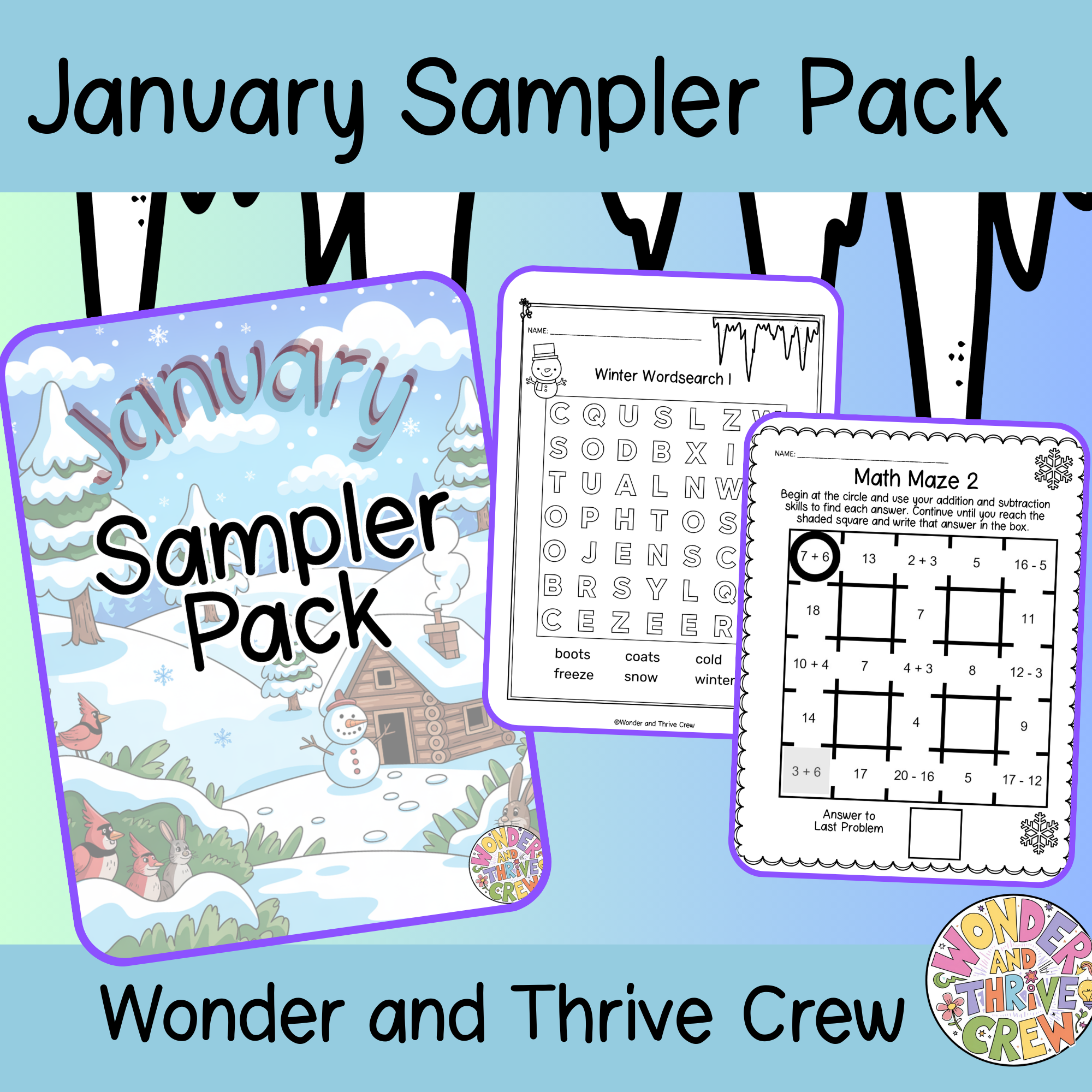
Better Yet, download this FREE sampler pack from out TPT store with some fun activities already for you to try. Follow the store for some free activities each month.
How Back-From-Break Math Games Help Students Reset
After a long break, students rarely jump right back into focused problem sets. They forget small steps, lose stamina, and need space to warm up their math brains again.
Back-from-break math games act like a warmup lap. Short, playful rounds wake up facts and strategies that students already learned. When a student uses mental math to win a quick game, they get a small, fast win that reminds them, “I can do this.”
Games also lower stress. There is less fear of getting one problem wrong, because the focus is on rounds, turns, and friendly competition. That lighter mood matters a lot for students who already feel anxious about math.
What Makes a Math Game Feel Like Play, Not More Work
Not every “game” feels fun. To feel like play, especially right after a break, games should:
Have quick rounds, usually under 3 minutes.
Allow chances to move or talk, not just sit and write.
Stay low stakes, with simple scoring and no long penalties.
Use clear, simple rules you can explain in under 5 minutes.
The games below follow those rules. You can teach one quickly, run a few rounds, then shift into your main lesson once the class is awake and settled.
Game 1: Silent Equation Line-Up (Great for Mental Math Warm-Up)
This is a standing, movement-based game that gets students thinking fast.
Materials
Number cards or sticky notes with numbers or expressions
A bit of open space in your room
How to Play
Hand each student a number or expression card.
Give a task, such as “smallest to largest value” or “in order around zero.”
Students silently move to form a line that fits the rule.
When they finish, say “freeze,” then check the line together.
Collect cards, mix them, and repeat with a new rule.
Skills to target
Grades 3 to 4: whole-number order, basic addition or subtraction
Grades 5 to 8: fractions, decimals, integers, or order of operations
To level up, write simple expressions like 3 × 4 or 18 ÷ 3 and have students line up by result, not by what is printed.
Game 2: Math Would You Rather (Perfect for Discussion and Reasoning)
This game feels like a casual chat, but it sparks deep thinking.
Materials
A few “Would you rather” questions on slides or cards
Example: “Would you rather have 40 percent off or $15 off a $60 game?”
How to Play
Read or show one question.
Students choose a side with a quick signal or by moving to a side of the room.
Ask volunteers to explain or model their thinking.
Capture a few strategies on the board.
Repeat with a new question.
Skills to target
Percent and decimal deals
Area vs perimeter choices
Time, speed, or distance tradeoffs
You can find more back-to-school style prompts in resources like Think Grow Giggle’s math-based “about me” activities, then twist them into “Would you rather” choices.
Game 3: Roll, Race, and Replace (Practice Facts and Expressions)
This one is great for pairs or trios and works for many grade levels.
Materials
2 to 4 dice or a digital dice app
Scratch paper or whiteboards
A list of target numbers on the board
How to Play
Students roll dice to get a set of numbers, for example 2, 4, 5.
You call a target, such as 18.
Each group races to build an expression that equals the target.
First correct group earns a point; then erase and roll again.
Let students suggest new targets once they get the hang of it.
Skills to target
Grades 3 to 4: addition and subtraction facts
Grades 5 to 8: multiplication, division, exponents, parentheses
To simplify, limit operations to addition. To level up, require two different expressions that hit the same target.
Remember
You do not need to rewrite your whole unit to reset after a break. Even 10 minutes of a simple math game can change the mood, wake up sleepy brains, and remind students that math can feel light again.
These games keep pressure low but thinking high. They help you see what students remember, where they need review, and how they work with classmates. At the same time, students get to move, talk, and laugh a little.
Choose one game from this list and try it on your very first day back. Watch how your students respond, then build from there. Small, playful routines add up to a calmer, more confident math class.